


Best Level 2 Ev Chargers 2026
Looking for the best level 2 home chargers in 2026? You’ve come to the right place. As EV adoption accelerates, choosing the right charging equipment has never been more important. This comprehensive guide breaks down everything you need to know to make an informed decision.
Key Takeaways
- Understand the key factors when choosing level 2 home chargers
- Compare top options available in 2026 with real-world performance data
- Learn installation requirements, costs, and available tax incentives
- Get expert tips for safety, maintenance, and optimal charging practices
What You Need to Know About Level 2 Home Chargers in 2026
The level 2 home chargers market has evolved significantly in 2026. With new technologies, updated safety standards, and improved efficiency, today’s options offer more value than ever before. According to industry data from the International Energy Agency, global EV sales exceeded 17 million units in 2024, and the charging infrastructure market has grown proportionally.
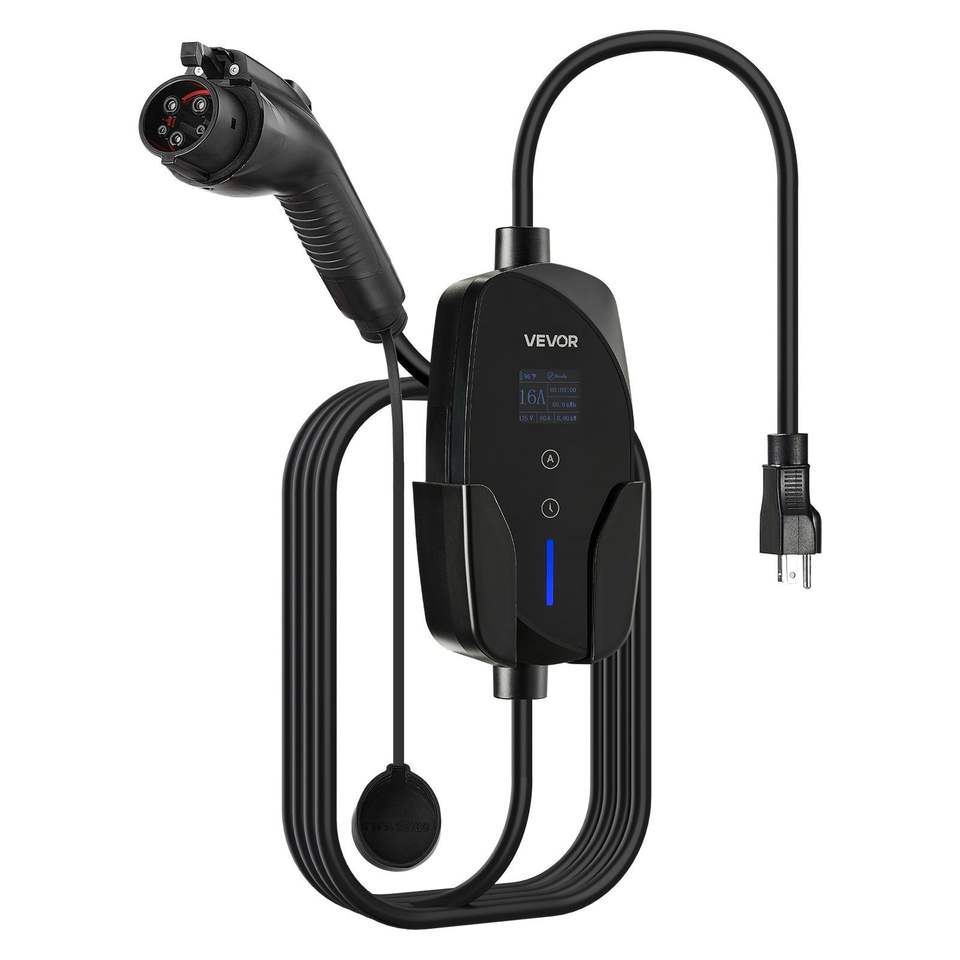
When shopping for level 2 home chargers, key factors to consider include: charging speed (measured in kW), connector compatibility with your vehicle, smart features like WiFi/APP control, safety certifications (UL, ETL, CE), weatherproofing rating (IP65 or higher recommended for outdoor use), and warranty coverage.
Top Considerations for Choosing Level 2 Home Chargers
Our research, based on analysis of leading EV charging blogs including EnergySage, Car and Driver, and InsideEVs, reveals the following critical selection criteria:
- Power Output: Match the charger’s amperage (16A-48A) to both your EV’s onboard charger capacity and your home’s electrical panel. A 32A (7.6kW) charger is the sweet spot for most households.
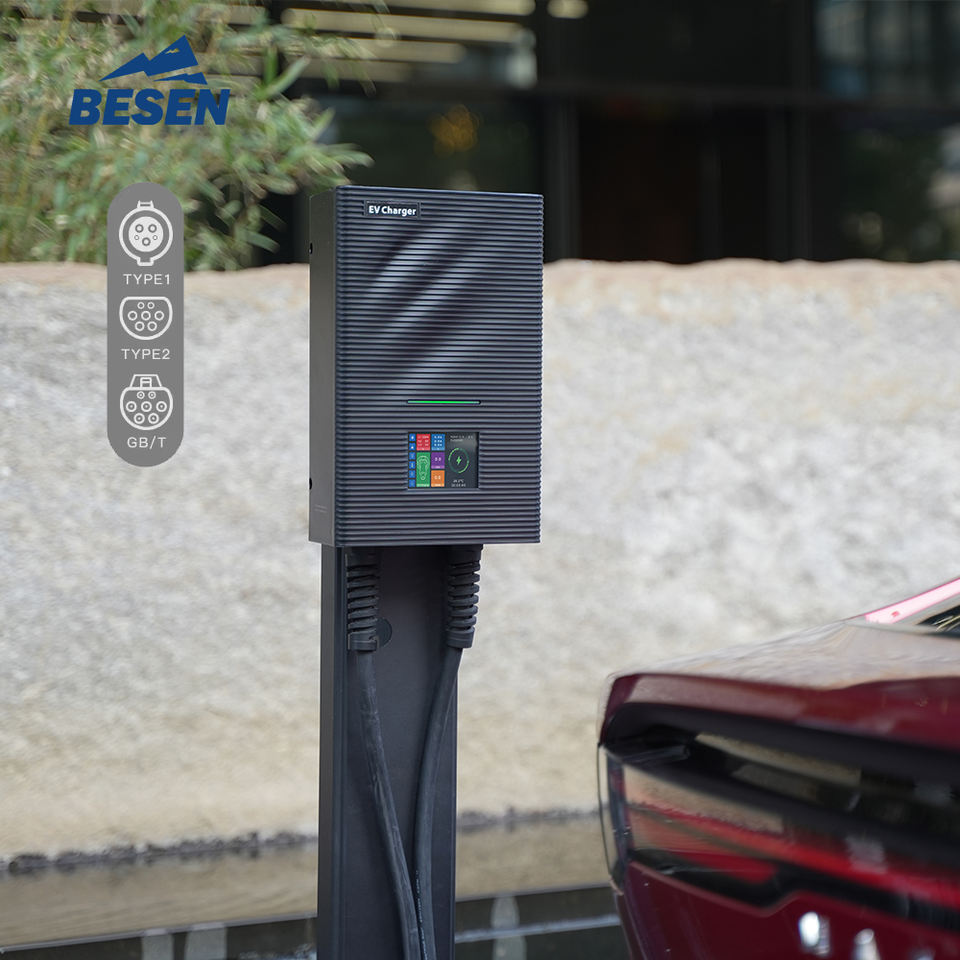
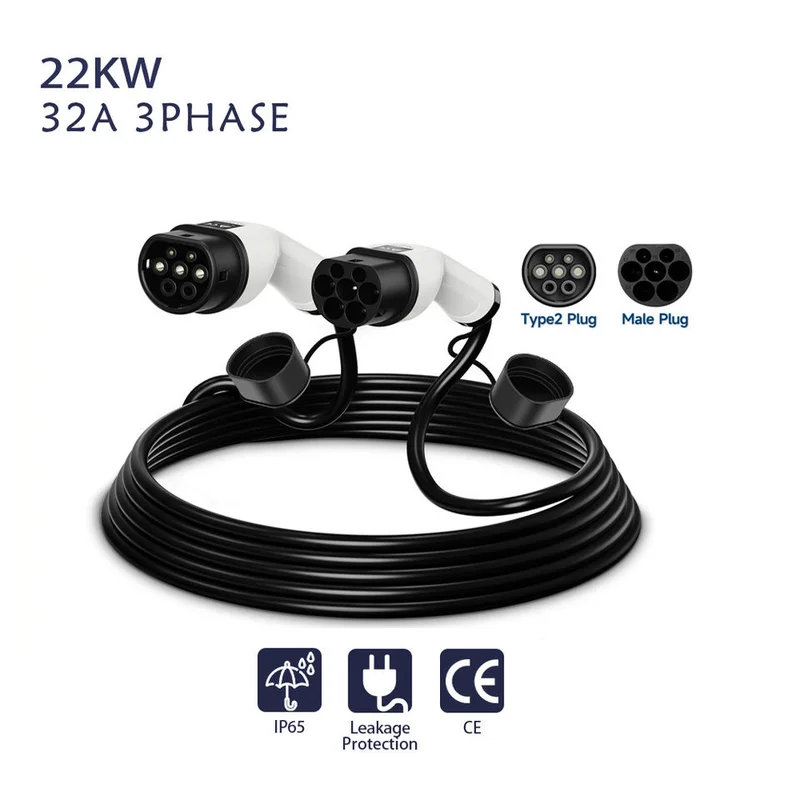
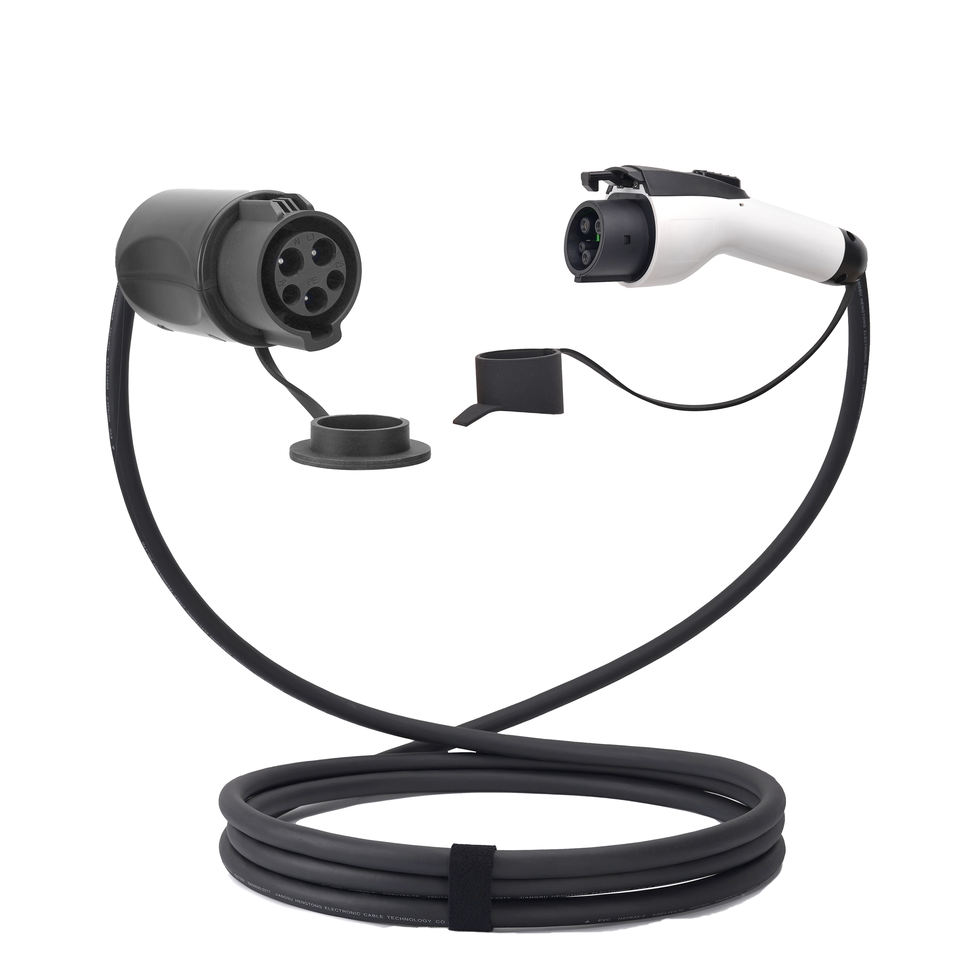
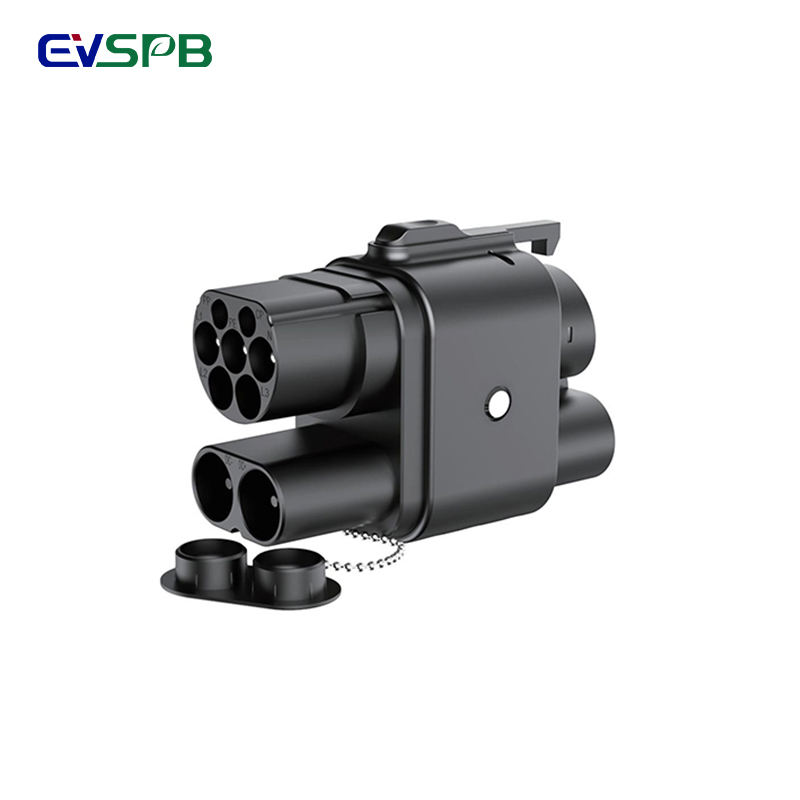
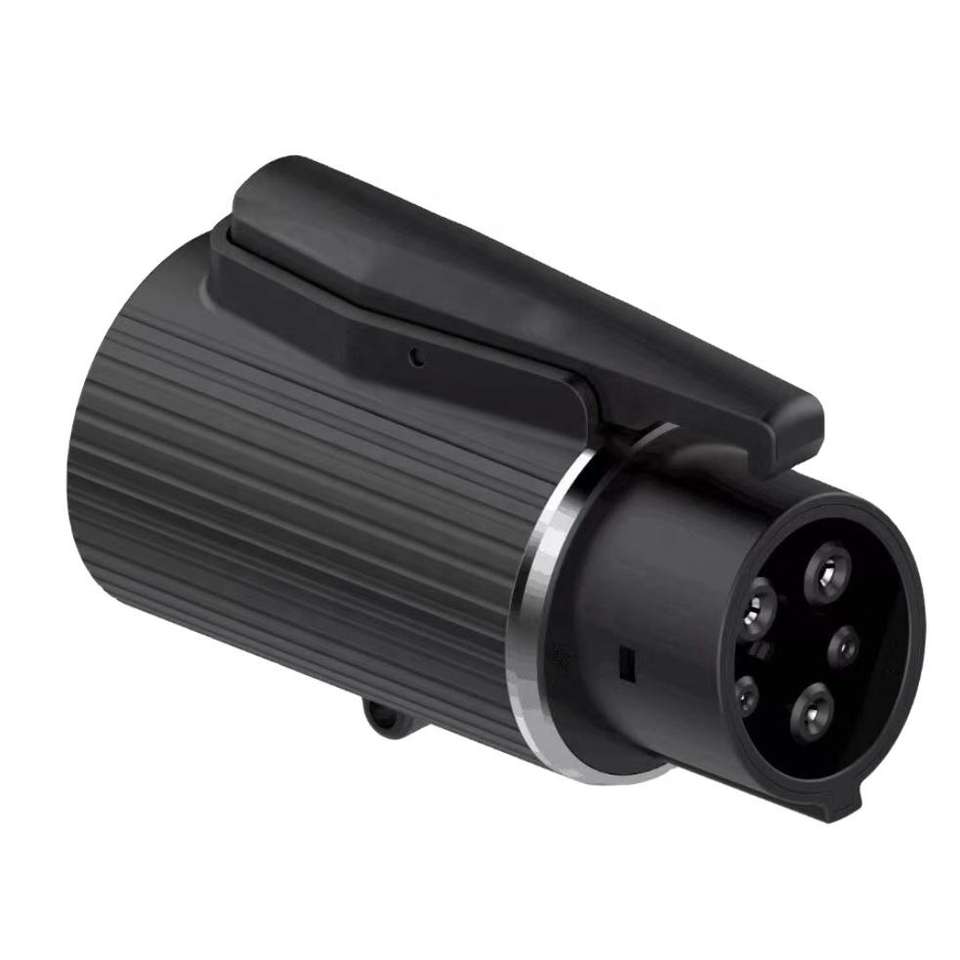
- Connector Type: J1772 (Type 1) for North American EVs, Type 2 (Mennekes) for European models, and NACS (Tesla) for native Tesla charging. Many chargers now offer multi-connector options.
- Smart Features: WiFi connectivity, smartphone APP control, energy monitoring, scheduling, and OCPP protocol support add convenience and future-proofing.
- Safety Certifications: Look for UL Listed, ETL, or CE markings. These ensure the charger has passed rigorous safety testing for continuous high-current operation.
Practical Tips for Level 2 Home Chargers
Based on real-world experience from thousands of EV owners and professional installers, here are actionable tips:
- Always hire a licensed electrician for hardwired installations. EV chargers draw continuous high current, and improper wiring is a serious fire hazard.
- Install a dedicated circuit with the appropriate breaker size. A 32A charger requires at least a 40A breaker under the 80% continuous load rule.
- Plan for the future by installing a 60A circuit even if your current charger only needs 32A. This allows easy upgrades later without rewiring.
- Take advantage of tax incentives. The US federal 30C tax credit covers 30% of installation costs up to $1,000. Many states and utilities offer additional rebates.
Browse our complete collection of Level 2 Home Chargers to find the perfect match for your EV and home setup.
Frequently Asked Questions
What is the best level 2 home chargers for home use in 2026?
The best level 2 home chargers depends on your specific vehicle, electrical panel capacity, and budget. For most homeowners, a 32A-40A Level 2 smart charger with WiFi APP control offers the ideal balance of speed, features, and value. Browse our curated selection to compare top-rated models.
How much does it cost to install a level 2 home chargers?
Installation costs typically range from $500 to $2,000 depending on your electrical panel’s proximity to the charging location, whether a panel upgrade is needed, and local labor rates. The federal 30C tax credit can offset 30% of costs (up to $1,000).
Do I need a permit to install an EV charger?
Yes, most jurisdictions require an electrical permit for EV charger installation. Your licensed electrician typically handles the permit process. Installing without a permit may void your home insurance and create liability issues.
Conclusion
Investing in the right level 2 home chargers is one of the smartest decisions you can make as an EV owner. With overnight charging convenience, significant fuel savings compared to gasoline, and available tax incentives, a quality home charger typically pays for itself within 1-2 years.
Ready to find your perfect EV charging solution? Explore our full range of Level 2 Home Chargers at EVSloth, where we offer free shipping, expert support, and the best prices on top-rated charging equipment.